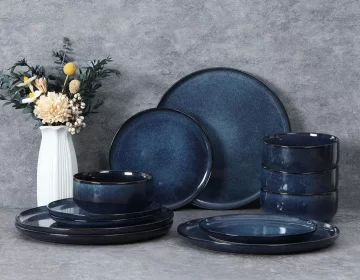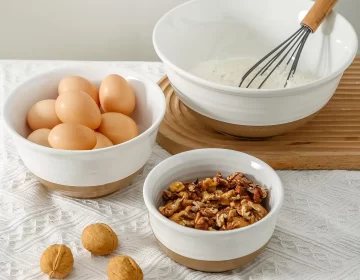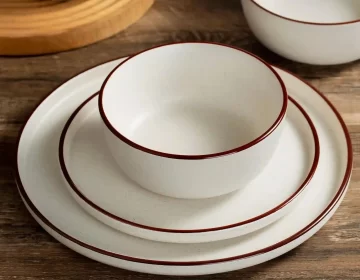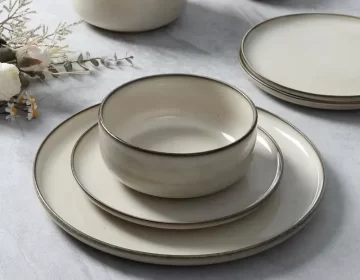
Understand FDA Certification and LFGB Certification for Ceramic Dinnerware, why they matter for safety, and how to choose a reliable Ceramic Dinnerware Wholesale partner for global markets.
Why Certifications Matter for Ceramic Dinnerware
When sourcing Ceramic Dinnerware for retail, hospitality, or distribution, product safety is just as important as design and price. International buyers increasingly require compliance documentation before placing bulk orders. Among the most recognized standards are FDA Certification for the U.S. market and LFGB Certification for Europe.
For importers and distributors working with ceramic tableware wholesale suppliers, these certifications ensure that products are safe for food contact, legally compliant, and ready for market entry.

What Is FDA Certification for Ceramic Dinnerware?
Food Contact Safety in the U.S.
FDA Certification refers to compliance with the U.S. Food and Drug Administration regulations for food-contact materials. For ceramic tableware, this primarily focuses on:
- Lead and cadmium release limits
- Glaze safety and stability
- Non-toxic raw materials
- Food-contact surface compliance
Ceramic tableware must undergo laboratory testing to confirm that harmful substances do not leach into food or beverages. Food safety testing mainly focuses on heavy metal migration, especially lead content. You can learn more in our guide: Does Ceramic Contain Lead?
Why FDA Certification Matters
- Required for entry into the U.S. market
- Protects consumer health
- Reduces legal and compliance risks
- Builds trust with retailers and distributors
For brands importing Ceramic Dinnerware Wholesale, FDA compliance is often a mandatory purchasing condition.
What Is LFGB Certification?
Europe’s Strict Food Safety Standard
LFGB Certification is one of the most stringent food-contact safety standards in Europe, especially in Germany. Compared to FDA testing, LFGB requirements are often broader and stricter.
LFGB testing for Ceramic tableware includes:
- Heavy metal migration testing
- Odor and taste neutrality
- Material composition safety
- Chemical resistance of glazes
Products that pass LFGB testing are considered highly safe for food use in EU markets. Glaze composition plays a critical role in passing LFGB testing. Explore common glaze options in this article: Types of Glazes for Ceramic Tableware
Key Advantages of LFGB-Certified Dinnerware
- Easier access to European retailers
- Higher perceived product quality
- Compliance with EU food safety laws
- Stronger brand credibility
For Ceramic Dinnerware Wholesale buyers targeting Europe, LFGB certification is a major competitive advantage.
FDA vs. LFGB Certification: What’s the Difference?
| Aspect | FDA Certification | LFGB Certification |
|---|---|---|
| Market | United States | Europe / Germany |
| Focus | Lead & cadmium release | Broader chemical safety |
| Testing strictness | Moderate | Very strict |
| Brand perception | Standard compliance | Premium safety signal |
Many global importers prefer suppliers that can provide both FDA Certification and LFGB Certification for maximum market flexibility.


How Certifications Impact Ceramic Dinnerware Wholesale Purchasing
For B2B buyers, certifications directly affect purchasing decisions:
1. Market Access
Certified Ceramic Dinnerware can be sold legally in regulated markets.
2. Retailer Acceptance
Large retailers and supermarkets require compliance reports.
3. Brand Protection
Certified products reduce recalls and liability risks.
4. Pricing Power
LFGB-certified products often command higher margins.
This is why working with an experienced Ceramic Dinnerware Wholesale manufacturer with certification capabilities is essential.
Beyond FDA & LFGB: Other Important Factory Certifications
While product certifications matter, factory compliance is equally important. Professional manufacturers often hold:
- ISO9001 – Quality management
- ISO14001 – Environmental management
- ISO45001 – Occupational health & safety
- BSCI – Social responsibility compliance
These certifications ensure stable quality, ethical production, and sustainable manufacturing practices.
FAQ: FDA & LFGB Certification for Ceramic Dinnerware
Q1: Is FDA Certification mandatory for Ceramic Dinnerware?
Yes, if you plan to sell Ceramic Dinnerware in the U.S., FDA compliance testing is required for food-contact safety.
Q2: Is LFGB stricter than FDA?
Generally, yes. LFGB Certification involves broader chemical and sensory testing, making it one of the strictest standards.
Q3: Do I need both certifications?
If you sell in both the U.S. and Europe, having both FDA Certification and LFGB Certification is highly recommended.
Q4: Does certification increase wholesale cost?
Testing adds some cost, but certified Ceramic Dinnerware Wholesale products gain higher trust and market value.
Q5: Can certifications be customized per order?
Yes. Many manufacturers arrange testing based on client market requirements and order specifications.
Partner With Jinhua for Certified Ceramic Dinnerware
Jinhua is a professional daily-use ceramic manufacturer and a leading Ceramic Dinnerware Wholesale supplier, specializing in:
- Ceramic dinnerware sets
- Ceramic bowls & plates
- Baking dishes
- Bathroom sets
- Candle jars & holders
We provide full OEM/ODM customization, from shape and glaze to logo and packaging.
Our products can comply with FDA Certification and LFGB Certification requirements, supported by factory credentials including BSCI, ISO9001, ISO14001, and ISO45001. With competitive pricing, stable production capacity, and reliable customer service, Jinhua helps global brands and distributors source certified Ceramic Dinnerware with confidence.